Malaysia’s tax system has gone through major changes over the past decade, and many businesses still ask the same questions today: What is GST? What is SST? What is the difference between SST and GST in Malaysia, and which one applies now?
If you’re running a business in Malaysia or planning to expand into the market, understanding GST vs SST is essential for compliance, pricing, and financial planning. This guide breaks it down in a simple, practical way, updated for 2025–2026.
What Is GST in Malaysia?
GST stands for Goods and Services Tax. It is a broad-based consumption tax applied at every stage of the supply chain.
Key Facts of GST in Malaysia
- GST rate in Malaysia: 6% (previously)
- GST start date in Malaysia: 1 April 2015
- GST end date in Malaysia: 31 August 2018
- GST implementation in Malaysia: Replaced Sales Tax and Service Tax (SST)
Under GST, businesses charged tax on sales and claimed input tax credits on purchases. This system was designed to improve transparency and reduce tax leakage.
However, due to cost concerns and administrative complexity, GST Malaysia was abolished in 2018. Many searches like “GST Malaysia 2024” or “GST 2026” still appear, but GST is no longer active in Malaysia.
What is SST in Malaysia?
SST stands for Sales Tax and Service Tax. It is Malaysia’s current indirect tax system and was reintroduced after GST ended.
SST Meaning in Malaysia
SST is a single-stage tax, unlike GST. SST stands for Sales and Service Tax, a consumption tax comprising two parts: Sales Tax on manufactured/imported goods and Service Tax on specific services, reintroduced in 2018 to replace the GST.
- Sales Tax: Charged once at the manufacturing or import level
- Service Tax: Charged on specific taxable services
SST Malaysia Rates (2025–2026)
- Sales Tax: 5% or 10% (depending on goods)
- Service Tax: 6% or 8% (for selected services)
- SST number: Required for registered businesses
If you’ve searched “SST Malaysia rate” or “SST Malaysia 2024”, note that SST remains active heading into 2026, with expanded service tax scope in recent years.
“Many businesses now use ERP systems like Odoo to automate SST reporting and reduce compliance risks“
Difference Between GST and SST in Malaysia
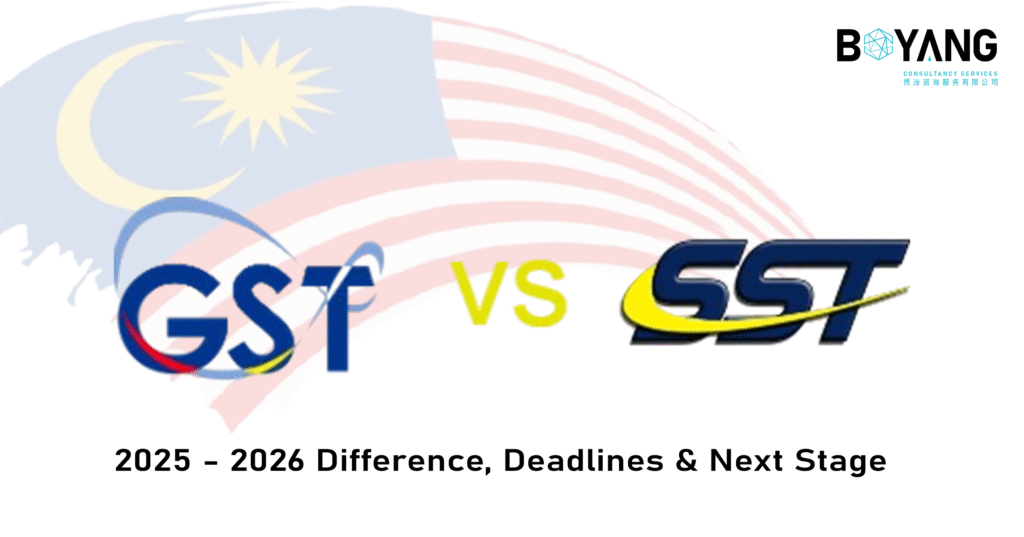
This is one of the most searched topics: SST vs GST Malaysia. Here’s a simple comparison:
Malaysia GST vs SST Comparison
| Factor | GST | SST |
| Tax type | Multi-stage | Single-stage |
| Input tax credit | Yes | No |
| Tax rate | 6% | 5–10% (Sales), 6–8% (Service) |
| Compliance | Complex | Simpler |
| Status | Abolished | Active |
| Scope | Broad | Selective |
In short, GST and SST differ in structure, compliance, and cost impact. While GST offered better transparency, SST is simpler for many SMEs.
GST & SST: Which Is Better for Businesses?
There is no one-size-fits-all answer.
- GST benefited businesses with strong accounting systems and large supply chains
- SST suits SMEs that prefer simpler compliance and fewer reporting requirements
This is why searches like “GST vs SST”, “SST vs GST Malaysia”, and “difference between GST and SST” remain popular.
Beza SST dan GST (In Simple Terms)
For Malay-speaking business owners asking “beza SST dan GST”:
- GST dikenakan di setiap peringkat rantaian bekalan
- SST hanya dikenakan sekali (pengilang atau perkhidmatan tertentu)
- GST lebih kompleks
- SST lebih mudah untuk SME
Why SST Compliance Still Confuses Business?
Even though SST is simpler than GST, many businesses struggle with:
- Determining SST registration eligibility
- Managing SST numbers
- Correct SST calculations
- Filing accurate SST reports
- Handling audits and documentation
This is especially challenging for:
- Growing SMEs
- Manufacturing businesses
- Service-based companies
- Cross-border operations
GST Is Gone, But Searches Are Not, Why?
Many people still search:
- What is GST in Malaysia
- GST meaning
- When GST start in Malaysia
- Malaysia GST rate
- GST stands for
This happens because:
- GST impacted pricing structures permanently
- Older contracts still reference GST
- Businesses want clarity before future tax reforms
Understanding GST history helps businesses prepare for any future tax changes.
SST in 2025–2026: What Businesses Should Focus On?
As Malaysia moves forward, businesses should focus on:
- Accurate SST classification
- Proper invoicing
- Audit-ready reporting
- Systemised SST calculation
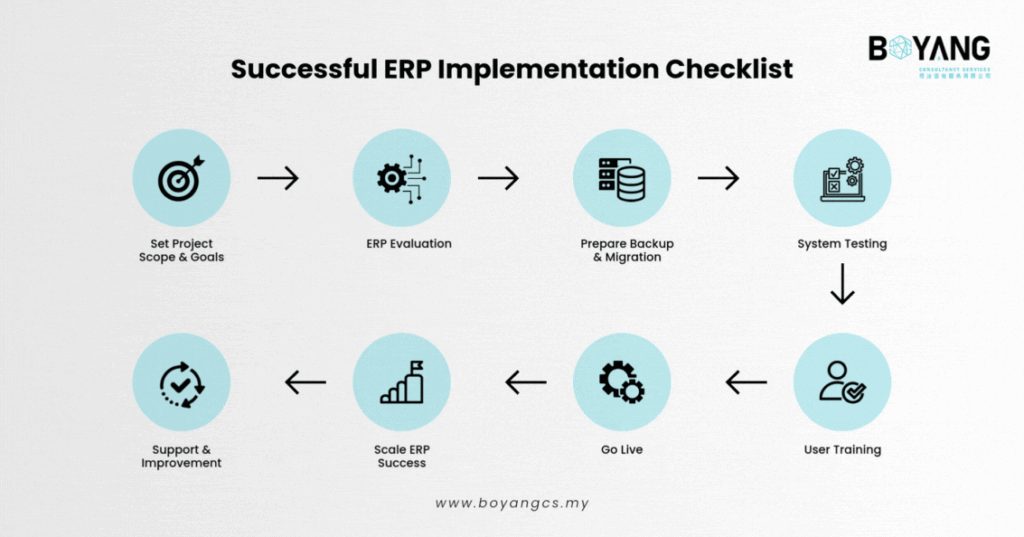
- Digital compliance (ERP-based)
Manual spreadsheets increase risk, especially as SST scope expands.
Wrap-up
Understanding the difference between GST and SST is essential for any business operating in Malaysia. While GST (Goods and Services Tax) was a multi-stage tax system that applied across the supply chain, it was abolished in 2018 and replaced by SST (Sales Tax and Service Tax), which remains active in 2025–2026. SST is a simpler, single-stage tax applied to specific goods and services, but it still requires accurate classification, registration, and reporting. Businesses that understand how SST works, why GST ended, and how the two systems differ are better positioned to stay compliant, manage costs, and prepare for future tax changes in Malaysia.
Need expert guidance? Contact us for free consultation and personalized Odoo ERP solutions for Malaysian Business.
Useful FAQ’s
Is GST coming back to Malaysia?
As of 2025 and 2026, GST is not implemented in Malaysia. While discussions resurface occasionally, there is no official confirmation that GST will return.
Is SST mandatory for all businesses?
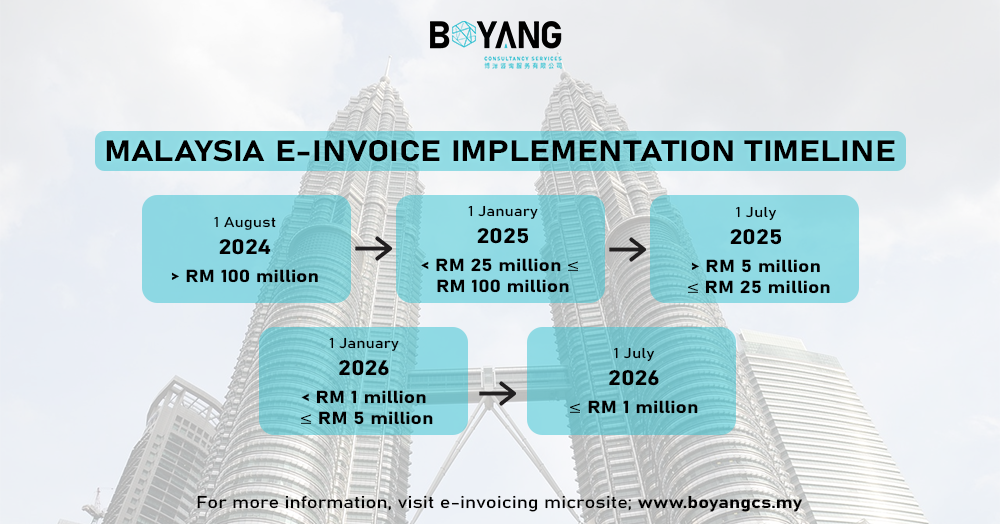
No. SST is only mandatory for businesses that meet specific criteria and exceed the prescribed registration thresholds under Sales Tax or Service Tax.
What is the SST threshold in Malaysia?
For Service Tax, businesses must register if annual taxable services exceed RM500,000 (or lower for certain services). Sales Tax applies mainly to manufacturers and importers, regardless of turnover.